.jpg)
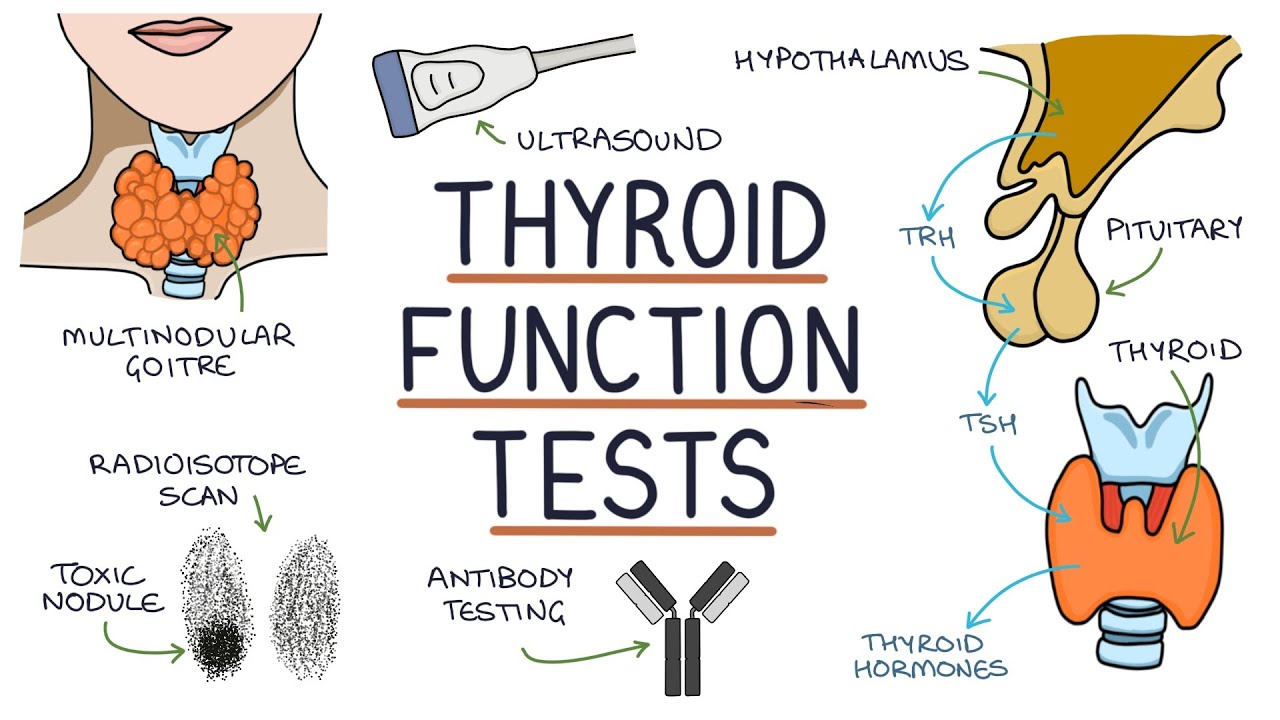


A thyroid function test checks how well your thyroid gland is working. It usually involves a blood test to measure levels of thyroid hormones and the thyroid-stimulating hormone (TSH), which is produced by the pituitary gland. These tests help diagnose and monitor conditions like hyperthyroidism (overactive thyroid) and hypothyroidism (underactive thyroid).
Key components of a thyroid function test:
T4 (Thyroxine):
This is the main hormone produced by the thyroid gland. Abnormal T4 levels can indicate issues with thyroid hormone production.
T3 (Triiodothyronine):
This is the active form of thyroid hormone, and T4 is converted to T3. Abnormal T3 levels may also indicate thyroid issues.
Free T4 and Free T3:
These measure the unbound, active form of T4 and T3 in the blood.
TSH (Thyroid-Stimulating Hormone):
This hormone, produced by the pituitary gland, stimulates the thyroid to produce T4. Elevated TSH levels may indicate hypothyroidism, while low levels can suggest hyperthyroidism.
Why thyroid function tests are performed:
What to expect during the test: