

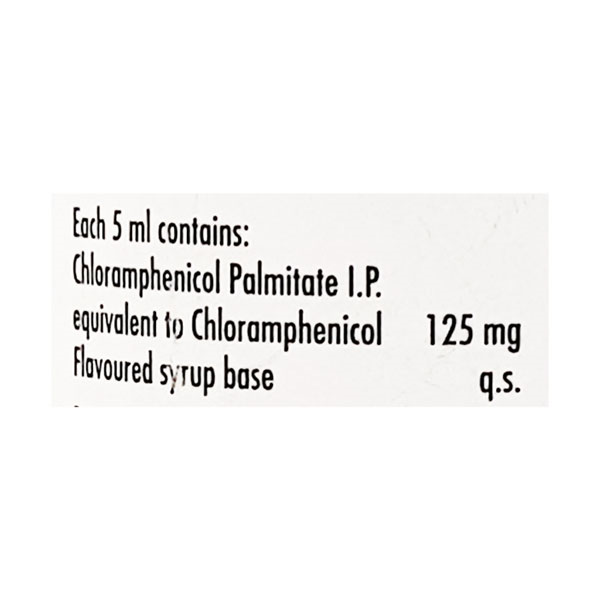
PARAXIN SUSPENSION contains Chloramphenicol which belongs to the group of medicines called Antibiotics. It is used for the management of bacterial meningitis, typhoid fever, rickettsial infections, septicaemia, eye infections, bacterial infections of the outer ear, cystic fibrosis, and other conditions.
Your doctor might conduct blood tests during management with PARAXIN SUSPENSION. It is not recommended for use if you have bone marrow depression and blood dyscrasias.
PARAXIN SUSPENSION should be used with caution in patients with liver or kidney diseases, anaemia, bleeding, or other blood problems. Contact your doctor before taking.
PARAXIN SUSPENSION is not recommended for use in pregnancy, particularly in the last trimester. Contact your doctor before taking. PARAXIN SUSPENSION is not recommended for use in nursing mothers as it may pass through breast milk. Contact your doctor before taking.
PARAXIN SUSPENSION should be used with caution in children under 2 years of age. Contact your doctor before taking.
The most common side effects of taking PARAXIN SUSPENSION are stomach upset, diarrhoea, headache, nausea, and vomiting. Contact your doctor if any of the side effects worsen.
It is used to manage:
PARAXIN SUSPENSION works by binding to the bacterial ribosome and inhibiting protein synthesis, thereby stopping the bacterial growth and manages bacterial infection effectively.
Always take PARAXIN SUSPENSION as advised by your physician. Shake well before use. Your doctor will decide the correct dose and duration of PARAXIN SUSPENSION depending upon your age, body weight and disease severity.
Stop taking PARAXIN SUSPENSION and contact your doctor immediately if you experience any of the following side effects:
Headache:
Take rest. Have good amount of sleep. Do have a balanced diet and at regular intervals. Add more fluids to your diet. Drink plenty of water to replenish water stores. Contact your doctor if the headache does not improve.
Diarrhoea:
Drink plenty of water or fruit juices to keep yourself hydrated. Do not take any medicine on your own for managing diarrhoea and contact your doctor if diarrhoea worsen.
Nausea and Vomiting:
Take the medicine, with or just after a meal. Stick to simple meals. Avoid eating oily or spicy food. Contact your doctor if nausea worsen.
Stomach upset:
Try to rest and relax. Eat small meals but take frequently. Keep a heat pad on your stomach. Contact your doctor if the stomach upset did not improve.

PARAXIN SUSPENSION is not recommended for use in pregnancy, particularly in the last trimester. Contact your doctor before taking.

PARAXIN SUSPENSION is not recommended for use in nursing mothers as it may pass through breast milk. Contact your doctor before taking.

PARAXIN SUSPENSION should be used with caution in patients with kidney diseases. Contact your doctor before taking.

PARAXIN SUSPENSION should be used with caution in patients with liver diseases. Contact your doctor before taking.

Do not take PARAXIN SUSPENSION if you are allergic to Chloramphenicol or any other constituents of this medicine.
PARAXIN SUSPENSION is not recommended for use if you have:
Before taking PARAXIN SUSPENSION tell your doctor if you have:
Use in pediatrics:
PARAXIN SUSPENSION should be used with caution in children under 2 years of age. Contact your doctor before taking.
Use in geriatrics:
There is no proper evidence for use of PARAXIN SUSPENSION in elderly patients above 65 years of age. Contact your doctor before taking.
A. Drug-Drug Interactions:
Inform your doctor before taking PARAXIN SUSPENSION if you are taking any of these medicines:
Overdosage:
If you or anyone else accidentally takes too much of PARAXIN SUSPENSION, consult your doctor immediately or visit the nearby hospital.